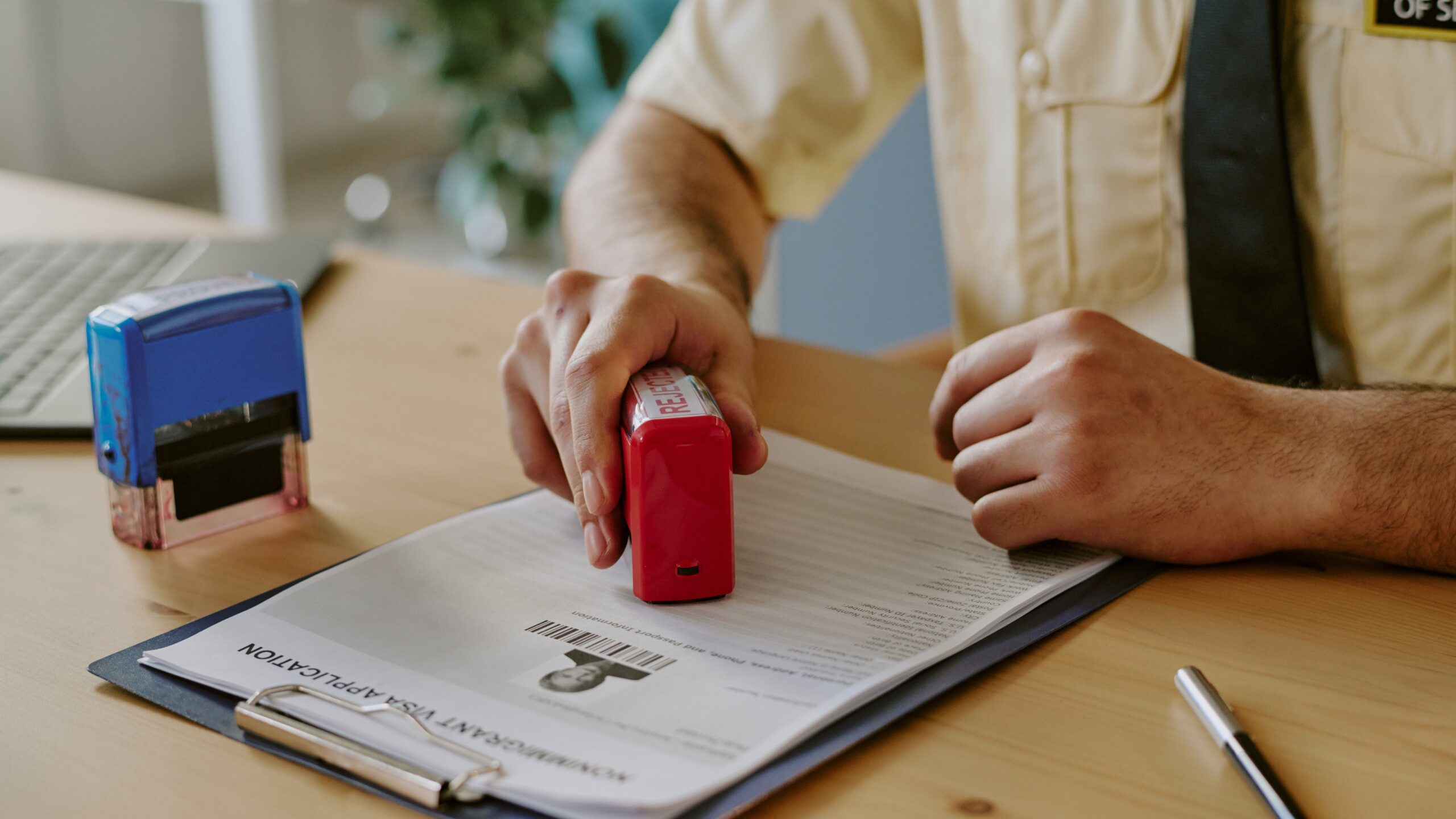
Applying for a visa is already stressful enough, right? You gather tons of documents, fill out long forms, and then—bam!—your visa photo gets rejected at the visa center. It may feel like a small hiccup, but it can delay your application, cost you extra money, and cause unnecessary frustration. But don’t panic. A rejected photo isn’t the end of the road. In fact, it’s a pretty common problem that travelers face. What matters is knowing how to react, what steps to take next, and how to prevent the same issue from happening again. In this guide, we’ll break everything down step by step, so if your visa photo gets rejected, you’ll know exactly what to do.
Why Visa Photos Get Rejected in the First Place
Visa photos are not just a formality—they are a critical part of identity verification. Embassies and consulates rely on these images to match your face with your passport and other documents. Even a seemingly minor error, like a slight tilt of the head or a shadow on your face, can lead to rejection. It might seem frustrating, but the strict standards exist to prevent fraud and ensure that the image is clear, accurate, and easily recognizable by both human staff and automated systems.
One of the most common reasons for rejection is incorrect size or dimensions. Different countries have specific requirements that must be strictly followed. For example, the U.S. mandates a 2×2 inch photo, while Schengen countries require 35×45 mm images. Even small deviations in size can cause the photo to be unusable. This is why it’s essential to double-check the specifications before taking your photo. What looks “close enough” to you may not meet the technical standards of the embassy.
Poor quality or lighting issues are another major factor. A blurry, grainy, or pixelated image will not pass inspection. Similarly, uneven lighting, harsh shadows, or overexposed areas can obscure key facial features. Many applicants underestimate how subtle changes in lighting can affect a photo. A seemingly minor shadow across the cheek or under the chin can make your image unacceptable. Professional lighting or carefully adjusted natural light is often necessary to ensure a clear, even appearance.
Facial expression and background also play a significant role in photo acceptance. Embassies usually require a neutral expression, with eyes open and mouth closed. Smiling, frowning, or tilting the head can result in rejection. The background must typically be plain white or light-colored without any patterns or textures. Additionally, accessories such as glasses, hats, or even heavy makeup can interfere with facial recognition systems. Even using an older photo—more than six months old—can be grounds for rejection, as embassies need an image that reflects your current appearance. Overall, the goal isn’t to look glamorous; it’s to produce a machine-readable, identity-verifiable photo that meets strict regulatory standards.
Don’t Panic—It’s a Common Problem
| Issue | Why It Happens | Immediate Reaction | Next Steps | Tips for Avoiding It |
| Photo rejected | Many applicants fail to meet size, lighting, or expression requirements | Take a deep breath; stay calm | Ask the staff for the specific reason for rejection | Review embassy photo guidelines before retaking |
| Feeling stressed | Common emotional reaction to unexpected setbacks | Pause and gather your thoughts | Focus on practical steps rather than worrying | Prepare documents and photos in advance to reduce anxiety |
| Delay in application | Rejected photos can push back appointment dates | Don’t ignore the issue | Reschedule or retake the photo immediately | Have backup photos ready to prevent delays |
| Confusion about requirements | Different countries have different photo rules | Ask questions at the visa center | Double-check official embassy or consulate guidelines | Keep a checklist of size, background, expression, and format |
| Fear of repeating mistakes | Concern about another rejection | Stay positive | Use professional photo services if unsure | Learn from the rejection and follow instructions precisely |
Ask Why the Photo Was Rejected
Understanding the reason behind a visa photo rejection is crucial for avoiding repeated mistakes and ensuring a smooth application process. Don’t leave the visa center without clear feedback. Sometimes, staff provide a slip or note explaining the issue, but other times you may need to ask directly. Being proactive can save you time, money, and frustration.
- The photo is too dark or too bright – Lighting plays a huge role in photo clarity. If the face isn’t visible clearly due to shadows or overexposure, the photo can be rejected.
- Incorrect size or dimensions – Each country has strict specifications. For instance, U.S. photos must be 2×2 inches, while Schengen visas require 35×45 mm. A small deviation can cause rejection.
- Expression is not neutral – Smiling, frowning, or tilting your head can lead to a rejection. A neutral expression ensures the photo meets embassy standards and is machine-readable.
- Background problems – Embassies typically require a plain white or light-colored background. Any patterns, textures, or shadows can make your photo invalid.
- Blurry or low-resolution image – Photos must be crisp and clear. Blurry, grainy, or pixelated photos fail verification checks.
- Wearing prohibited accessories – Sunglasses, hats, or heavy makeup can obscure facial features and result in rejection. Religious head coverings are usually allowed, but the face must remain fully visible.
- Photo is outdated – Many embassies require photos to be recent (usually within 6 months). Older photos may no longer represent your current appearance.
- Glare or reflections on glasses – If you wear prescription glasses, glare that hides your eyes can cause a rejection. Some embassies prefer removing glasses entirely.
- Incorrect cropping or framing – The head must be centered and occupy the correct proportion of the frame. Too much or too little space around the head can invalidate the photo.
- Digital file issues – For online submissions, incorrect file format, size, or resolution can result in rejection. Common mistakes include uploading a file that’s too large, too small, or in an unaccepted format like TIFF instead of JPEG.
- Shadows on the face or background – Uneven lighting that creates shadows can make the face unclear, which is unacceptable for visa verification.
- Improper posture – Head must be upright and facing directly towards the camera. Tilting or turning the head even slightly can lead to rejection.
- Hair covering the face – Hair obscuring the eyes or forehead may result in a failed photo. Ensure the face is completely visible.
- Clothing blending with background – Wearing white or light-colored clothing against a white background may reduce contrast, making the face less distinguishable.
Check the Official Guidelines Again
One of the most important steps after a visa photo rejection is to revisit the official guidelines for photo requirements. Each country has its own specific rules regarding size, format, background, and facial positioning. What works for one country may not work for another, so assuming that all visa photos are the same can lead to repeated rejection. Taking the time to carefully review these rules ensures you don’t make the same mistake twice and saves you unnecessary delays.
For example, the United States requires photos to be exactly 2×2 inches (51×51 mm) with a plain white background. The applicant’s face must occupy a specific portion of the frame, and the expression must be neutral with eyes open. Schengen visa countries have slightly different standards, demanding 35×45 mm photos where the face occupies 70–80% of the image. Even small differences, such as head height or distance from the camera, can lead to rejection.
India, on the other hand, often requires digital photo uploads with very specific pixel dimensions. These digital images must not only meet size requirements but also adhere to strict file formats, resolution, and clarity standards. A photo that looks fine in print may fail when uploaded if it does not meet these technical specifications. Cross-checking the official guidelines helps you avoid these technical pitfalls.
Always consult the embassy or consulate’s official website before retaking your photo. Many sites provide detailed instructions, sample photos, and even downloadable templates. By following these official instructions precisely, you significantly increase the chances of your photo being accepted on the first try, saving both time and money in the visa application process.
Retake the Photo Immediately
| Step | What to Do | Why It Matters | Common Pitfalls | Tips for Success |
| Locate approved studio | Ask visa center staff for the nearest authorized photo studio | Ensures your photo meets embassy standards | Using a random studio may result in another rejection | Always confirm the studio has experience with visa photos |
| Show official requirements | Provide the studio with embassy photo guidelines | Prevents mistakes in size, background, and format | Studio may assume generic passport requirements | Print or save digital copy of requirements for reference |
| Retake the photo | Follow the studio instructions carefully | Corrects the rejection immediately | Rushing may cause poor lighting or expression issues | Stay calm and maintain a neutral expression |
| Double-check before printing | Review size, lighting, background, and facial position | Ensures final photo meets all standards | Not checking may lead to repeated rejection | Ask the photographer to verify alignment with guidelines |
| Obtain multiple copies | Request both digital and printed versions | Provides backups for submission or online upload | Having only one copy may force another retake | Keep extra copies for future appointments or emergencies |
Use Professional Photo Services
Using professional photo services is one of the most reliable ways to ensure your visa photo meets the strict requirements of embassies and consulates. If your photo has already been rejected once, attempting a DIY solution at home increases the risk of another rejection, causing further delays and additional costs. Professional studios have experience with different countries’ requirements and can produce a photo that passes on the first try.
- Guaranteed correct size and proportions – Professional studios know the exact dimensions required for various countries, ensuring your head size, photo size, and facial proportions meet embassy standards.
- Proper lighting setup – Lighting is crucial for a clear, shadow-free photo. Studios use professional lighting equipment to evenly illuminate your face and eliminate shadows that often cause rejections.
- Neutral background enforcement – Studios provide the correct plain white or light-colored background required by most embassies, avoiding issues with patterns, textures, or shadows.
- Experienced staff guidance – Photographers at these studios are familiar with embassy-specific rules and can guide you on head position, facial expression, and posture to avoid common mistakes.
- Immediate digital and printed copies – Most professional services provide both a high-quality printed version and a digital file, meeting both online submission and in-person requirements.
- Reduced stress and faster turnaround – Knowing that a professional is handling your photo allows you to focus on other aspects of your visa application without worrying about repeated rejections.
- Higher success rate – Photos taken by professionals have a significantly lower chance of being rejected compared to DIY photos, saving time, money, and potential appointment rescheduling.
- Compliance with international standards – Professional studios are familiar with subtle differences between countries’ requirements, such as U.S., Schengen, Canadian, and Indian visa rules, preventing costly mistakes.
- Backup copies available – Studios can provide multiple copies, so you have spares in case of loss or future applications.
- Peace of mind – Knowing your visa photo is professionally done gives confidence that it will be accepted, avoiding frustration and delays.
Digital Upload Rejections
In today’s digital age, many visa applications require applicants to submit their photos online. While this is convenient, it introduces a new set of challenges compared to traditional printed photos. A digital file can be rejected for a variety of technical reasons, and understanding these pitfalls is essential to avoid delays in your application process. A rejected digital photo often means you’ll have to redo the upload, which can push back your appointment or processing time.
One of the most common reasons for rejection is using the wrong file format. Embassies typically accept JPEG or PNG formats, but some may have stricter requirements regarding compression or color profiles. Uploading a file in an unsupported format, like TIFF or BMP, can lead to immediate rejection. It’s important to carefully read the guidelines and convert your image to the correct format before submitting it.
Resolution and file size are equally important. For example, the U.S. visa requires a digital photo of 600×600 pixels. A file that is too small may appear pixelated or blurry, while one that is too large may not upload properly or be automatically rejected by the system. File size limits also vary, and exceeding them can result in errors during submission. Many applicants underestimate how precise these specifications are, so double-checking dimensions and file size is crucial.
Another helpful tip is to use embassy-approved online tools or photo checkers. These tools allow you to upload your digital photo and verify if it meets all technical requirements, including size, resolution, format, and even facial positioning. Using these tools before submission can save time, prevent frustration, and increase the likelihood that your photo will be accepted on the first attempt. Treat your digital upload with the same care as a printed photo—attention to detail matters.