
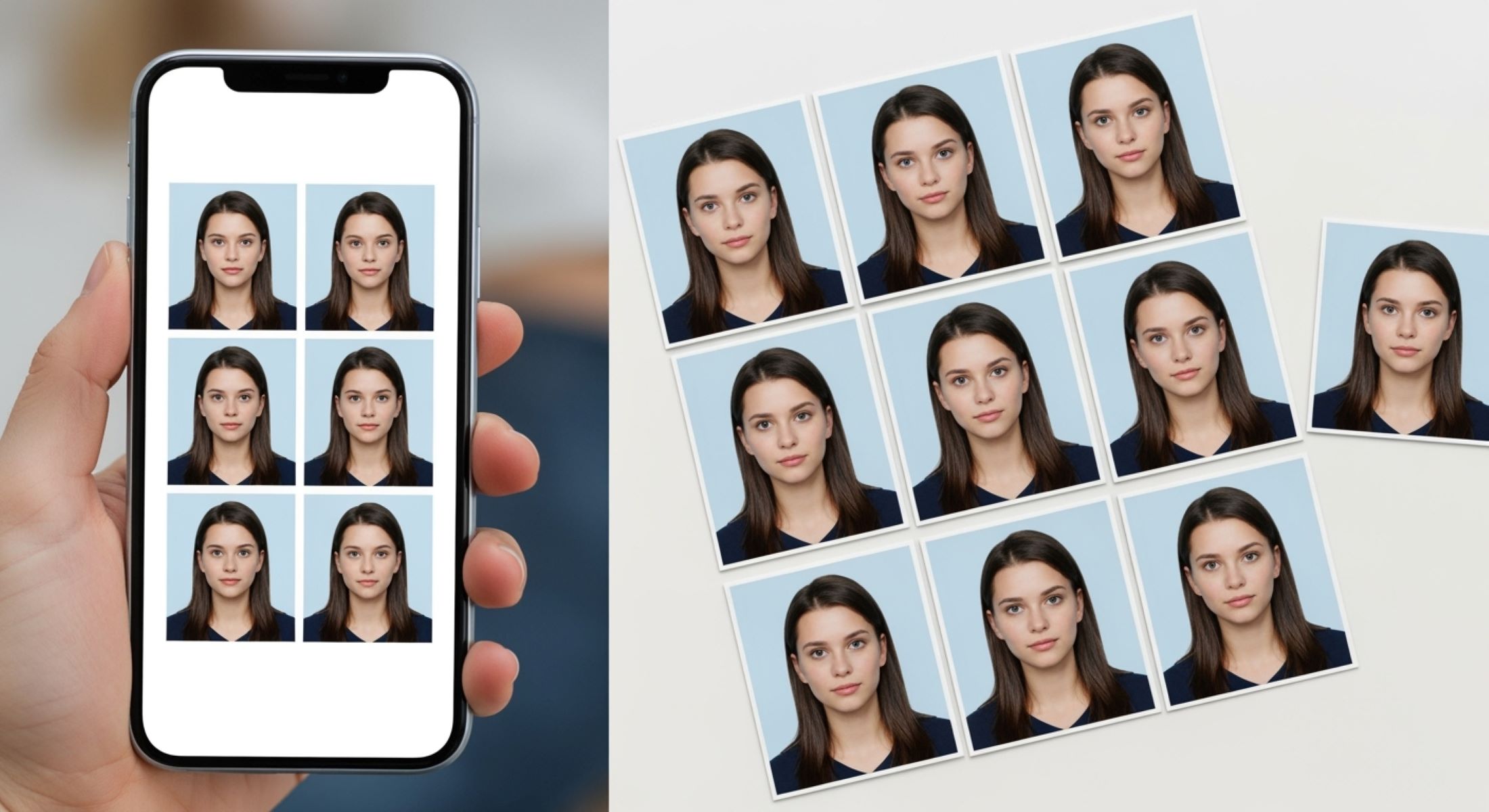
Remember when the only way to keep a memory alive was to print a photo and frame it on the wall? Today, things are different. Most of us carry thousands of pictures in our pockets—thanks to smartphones, cloud storage, and digital cameras. That brings us to a practical question: can you really use a digital photo instead of a printed one? The short answer: Yes, in many cases. But the real answer? It depends on why and where you need that photo. Sometimes a digital image is perfectly fine, while in other cases, only a printed copy will do. Let’s dive deeper into this fascinating mix of convenience, technology, and tradition.
The Digital Photo Revolution
Digital photography has truly transformed the way we capture life’s moments. Gone are the days of waiting anxiously for film to develop or carrying bulky cameras everywhere. With just a smartphone, anyone can snap high-quality photos in an instant. This convenience means that special events, everyday snapshots, and even spontaneous moments can be recorded effortlessly. People no longer need to plan or ration their shots—taking hundreds or even thousands of photos has become the new normal, giving us an almost endless visual diary of our lives.
One of the most significant advantages of digital photos is instant accessibility. Unlike printed images that are tucked away in albums or frames, digital photos live on our devices and cloud storage. You can scroll through your memories anytime, anywhere, whether at home, on a commute, or even during a coffee break. This constant availability also allows for quick editing, tagging, and organizing, making it far easier to manage a growing collection compared to traditional printed albums.
Another key benefit is the cost-effectiveness of digital photography. Printing images requires paper, ink, and often professional services, all of which can add up quickly. With digital photos, these costs are virtually eliminated. People can store thousands of images without worrying about storage space or expense. This has also democratized photography, allowing more people to participate in creative endeavors like travel photography, social media content creation, or documenting family milestones without breaking the bank.
Despite these benefits, it’s important to recognize that digital convenience doesn’t fully replace the physicality of printed photos. While screens allow us to view and share memories instantly, they lack the tactile experience that prints provide. A printed photo can evoke nostalgia, serve as a meaningful gift, or act as a tangible keepsake in a way that a digital image cannot. For many, the emotional connection to a physical photograph remains unmatched, reminding us that while digital photos are revolutionary, they complement rather than completely replace traditional prints.
When a Digital Photo Works Perfectly
- Sending pictures to friends and family instantly via messaging apps like WhatsApp, Telegram, or Messenger
- Sharing photos on social media platforms such as Instagram, Facebook, Twitter, or TikTok
- Uploading images for online presentations, digital portfolios, or websites
- Creating digital albums or slideshows to organize and view memories easily
- Submitting digital photos for online job applications or professional IDs
- Uploading digital images for passport or visa applications in countries that accept electronic submissions
- Using digital photos for online profiles, including LinkedIn, dating apps, or professional networking sites
- Backing up memories securely using cloud storage services like Google Photos, iCloud, Dropbox, or OneDrive
- Storing copies on external hard drives, USBs, or other offline digital storage solutions for redundancy
- Editing and enhancing images quickly with photo editing apps or software without needing physical prints
- Sharing images in group chats, family forums, or collaborative digital spaces
- Creating digital invitations, greeting cards, or personalized online messages with embedded photos
- Using digital images for virtual events, webinars, or online exhibitions
- Archiving historical or sentimental photos digitally to preserve them for future generations
- Instantly printing only the images you want, after editing and selecting from your digital collection
When a Printed Photo Is Still Necessary
| Scenario | Description | Examples | Why Print Matters | Notes/Considerations |
| Legal and Official Requirements | Certain official processes require a physical copy of your photo. | Passport applications, government ID cards, school admission forms | Prints are legally recognized and often mandatory | Some countries now accept digital photos, but rules vary |
| Traditional Uses | Printed photos remain popular for personal and cultural purposes. | Framing for home decor, photo albums, gifting photos | Tangible photos carry sentimental and emotional value | Ideal for weddings, birthdays, and anniversaries |
| Emergency Scenarios | Printed photos are reliable when digital devices fail. | Identification during power outages or phone battery loss | No need for electricity or technology to access the photo | Keeps important info available in all situations |
| Collecting and Archiving | Physical copies can serve as long-term keepsakes. | Family archives, heritage photo collections | Durable if properly stored; can survive beyond digital lifespan | Protect from moisture, sunlight, and physical damage |
| Formal Documentation | Some institutions prefer or require physical photos for documentation purposes | Visa applications, school ID cards, official certificates | Ensures authenticity and acceptance by institutions | Always check the latest requirements before submission |
Comparing Digital vs Printed Photos
When it comes to storage, digital photos clearly take the lead. With cloud services like Google Photos, iCloud, or Dropbox, you can store thousands—even tens of thousands—of images without worrying about physical space. On the other hand, printed photos require tangible storage: albums, frames, or boxes that occupy real-world space. Over time, this can become cumbersome, especially for families or individuals who love capturing every little moment. Digital storage also allows for instant organization and searchability, which printed albums simply cannot match.
Accessibility is another major difference. Digital photos are instantly available on any device—your smartphone, tablet, or laptop. You can scroll, edit, or share them anywhere in the world at any time. Printed photos, however, are only accessible when you physically have them in hand. This can be limiting if you want to share a memory spontaneously or need a quick reference for an event or project. The convenience of having your entire photo library in your pocket is hard to beat.
Durability and sharing present contrasting scenarios. Digital images are vulnerable to file corruption, accidental deletion, or device loss, but with backups, these risks are manageable. Printed photos can fade, tear, or get damaged over time, particularly if exposed to sunlight, moisture, or poor handling. However, printed images offer a tangible form of sharing; giving someone a physical photo often feels more personal and thoughtful than sending a file. Each format has its own advantages depending on how you want to use and preserve the image.
Finally, consider official use, cost, and emotional value. Digital photos are often accepted for online applications, IDs, and professional submissions, while printed photos are still required in many offline processes like passport submissions or school forms. From a financial perspective, digital photos are mostly free to store and share, whereas printing costs money, especially for high-quality images. Emotionally, digital images are great for quick viewing and casual enjoyment, but printed photos carry a tangible, nostalgic, and sentimental value that digital screens cannot fully replicate. Ultimately, the choice between digital and printed photos depends on your priorities: convenience, cost, or emotional impact.
The Emotional Side of Printed Photos
- Holding a physical photo brings back memories in a way that digital screens cannot replicate
- Flipping through an old photo album evokes nostalgia, transporting you to past moments instantly
- Printed photos capture not just the image, but the texture, weight, and even the smell of the paper
- Tangible photos can trigger emotional responses and sensory connections that digital files lack
- They make family stories and personal histories more vivid and relatable for younger generations
- Framing and displaying photos at home creates a constant, visible reminder of cherished moments
- Gifting a printed photo shows thoughtfulness and emotional investment, making it more meaningful than a digital copy
- Printed images allow for personal annotations, like writing dates or notes on the back, adding sentimental value
- They serve as heirlooms that can be passed down through generations, preserving legacy and memory
- Special events like weddings, anniversaries, and birthdays are enhanced by tangible photos that can be shared physically
- Physical photos encourage more intentional viewing, slowing down to truly appreciate the captured moment
- They create a sense of permanence, as opposed to the fleeting and sometimes forgettable nature of digital images
- Scrapbooking or creating custom albums with printed photos offers a creative outlet for emotional expression
- Printed photos can be displayed in personalized ways, such as collages, wall galleries, or memory boxes, enhancing emotional impact
- The act of physically holding, touching, or rearranging photos strengthens the connection to the memory they represent
The Practicality of Digital Photos
| Aspect | Description | Advantages | Examples | Considerations |
| Portability | Digital photos can be stored on smartphones, tablets, or laptops | Carry thousands of photos in your pocket | Smartphone galleries, tablets, USB drives | Requires device access and battery |
| Storage Capacity | Digital storage allows massive collections without physical space | Store tens of thousands of images with cloud backup | Google Photos, iCloud, Dropbox | Internet access needed for cloud storage |
| Accessibility | Instantly view, edit, and share photos anywhere | Quick access to memories anytime | Social media uploads, professional presentations | Screen size may limit detailed viewing |
| Sharing Convenience | Send images instantly to individuals or groups | Fast, global sharing | Messaging apps, email, online galleries | Depends on internet connectivity |
| Cost Efficiency | Digital photos eliminate printing and material costs | Save money on paper, ink, and printing services | Editing apps, digital albums | Initial investment in devices may be required |
| Organization & Search | Easy tagging, sorting, and searching | Find photos quickly using metadata or albums | Cloud photo libraries, digital folders | Learning curve for organization systems |
| Backup & Safety | Photos can be duplicated across devices and clouds | Reduces risk of permanent loss | External hard drives, online backups | Digital corruption or hacking is possible |
| Editing & Enhancement | Modify photos without damaging the original | Crop, filter, and adjust colors instantly | Photoshop, Lightroom, mobile editing apps | Requires basic knowledge of editing tools |
| Event Documentation | Capture and share events in real time | No need to wait for printing | Live event streaming, social media updates | Privacy considerations must be managed |
| Environmental Impact | Reduces paper and ink consumption | More eco-friendly than printing thousands of photos | Digital albums, online sharing | Energy usage for devices and cloud servers |
What Institutions Prefer: Digital or Printed?
When it comes to institutional preferences, the choice between digital and printed photos often depends heavily on location, technology adoption, and the purpose of submission. Many modern institutions, particularly those operating online, are increasingly accepting or even requiring digital photos. This includes online job portals, university admissions systems, and banking apps that use photo-based KYC (Know Your Customer) verification. For these institutions, digital photos offer convenience, efficiency, and instant submission, eliminating the need for physical delivery or manual handling.
Digital photos are especially favored in high-tech, fast-paced environments where time is critical. Universities and colleges with online application systems allow students to upload passport-style images directly, speeding up admission procedures. Similarly, many banks and financial services platforms now accept digital selfies or scanned IDs for verification, making processes smoother for both the institution and the applicant. This preference reflects the growing global trend toward digitization and remote management of official records.
However, printed photos are still required in many traditional or regulated settings, where a physical copy is necessary for verification or record-keeping. Embassies often require printed passport photos for visa applications, while certain schools and colleges insist on attaching printed photo IDs to forms. These institutions prioritize authenticity, security, and adherence to long-standing procedures that have not fully transitioned to digital formats. A printed photo in these contexts ensures that the image is tangible and verifiable.
Finally, it’s worth noting that some hybrid approaches exist. Certain organizations accept digital submissions but may request printed copies as a backup or for final documentation. This shows that while the world is moving toward digital efficiency, printed photos still hold a critical place in official and traditional practices. Understanding the specific requirements of each institution is key—what works for one may not be acceptable for another, making it essential to verify before submission.