
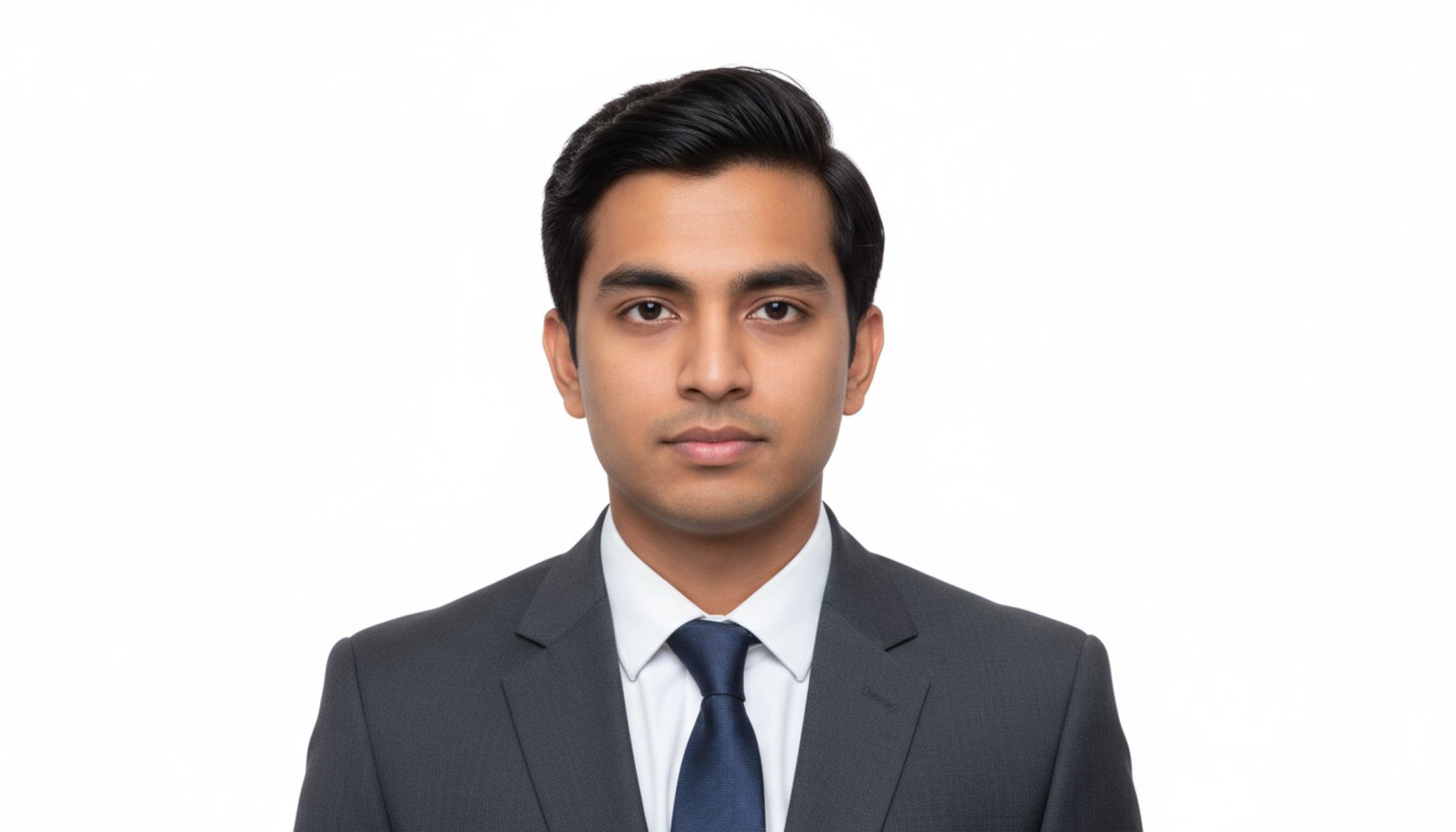
When it comes to official documents like passports and visas, your photo becomes your identity for years. Unlike a casual selfie, this picture represents you on an international scale. So, the way you dress for it isn’t just about following rules—it’s about making sure you look polished, professional, and presentable every single time you hand over your ID. Let’s break down how to nail that formal look step by step.
Why Your Outfit Matters in Passport and Visa Photos
When it comes to passport and visa photos, many people underestimate the power of a simple outfit. While it might seem like a minor detail, your clothing communicates a lot about you, often without you even realizing it. Consulates and immigration officers don’t just glance at your face—they take in your entire appearance. A polished, professional outfit can make you appear responsible, trustworthy, and prepared, while casual or sloppy attire may inadvertently give off the wrong impression. Even though these photos are only a small part of your application, first impressions matter, and your outfit contributes significantly to that impression.
Another reason your clothing is important is the lasting impact of the photo itself. Passport photos are typically valid for 5–10 years, meaning that the image of you in that formal or informal outfit will represent you internationally for years to come. Choosing the right attire ensures that you look timeless and professional, rather than outdated or careless. Dark, solid colors and simple styles help maintain a classic appearance, while flashy patterns or overly casual clothing can date the photo and distract from your face—the most important element.
Beyond aesthetics, the right outfit can also make the photo-taking process smoother. Light-colored or patterned clothing often reflects light unevenly, creating shadows or causing the camera to adjust exposure in ways that can distort your image. In contrast, neutral and solid-colored formal clothing ensures that your face is the focal point, the lighting works to your advantage, and the resulting photo meets official requirements. Paying attention to these small details reduces the risk of retakes, saving both time and money, especially when you need multiple official photos for visas or other travel documents.
Finally, dressing appropriately for your passport or visa photo shows respect for the process itself. Just as you wouldn’t show up to an important interview in sleepwear, taking the time to dress neatly and formally for your official photo demonstrates that you understand the seriousness of the document. It signals that you value professionalism and are mindful of how you present yourself to authorities. In short, a well-chosen outfit is not just about fashion—it’s a subtle way to communicate reliability, attention to detail, and respect for international procedures.
Basic Rules for Passport and Visa Photo Outfits
- Avoid wearing uniforms or camouflage clothing, as most countries prohibit these in official passport and visa photos.
- Do not wear head coverings unless required for religious or medical reasons, ensuring your face is fully visible from the chin to the forehead.
- Stay away from distracting patterns, busy prints, or logos that draw attention away from your face; plain and solid colors work best.
- Refrain from wearing white or very light-colored tops, since passport photo backgrounds are usually white or light, which can make you blend in.
- Choose an outfit that makes you look polished and professional, similar to what you would wear to a business meeting or formal interview.
- Opt for clothing that fits well; overly baggy or tight outfits can look sloppy or awkward on camera.
- Make sure the neckline is appropriate and not too low, keeping the focus on your face rather than your clothes.
- Avoid shiny fabrics or materials that reflect light, as they can create glare or uneven lighting in the photo.
- Keep your outfit simple and timeless; avoid trendy or overly flashy styles that may look dated in a few years.
- Ensure the color of your top contrasts with the background so that your face stands out clearly.
- Choose neutral or dark tones for a formal and polished look, avoiding neon or overly bright shades that may distract from your face.
- Stick to classic pieces such as blazers, collared shirts, or modest blouses, which always photograph well in formal settings.
- Make sure your clothing is clean, pressed, and free from wrinkles, stains, or pet hair, as these details are highly noticeable in official photos.
- Dress comfortably but formally, so you can maintain a natural and relaxed expression without fidgeting during the photo session.
- Avoid layering too many items, which can add bulk and detract from the clean, professional appearance required for passport and visa photos.
Choosing the Right Colors
| Color | Why It Works | Best For | Colors to Avoid With It | Tips |
| Dark Blue / Navy | Professional, formal, and timeless | Men’s blazers, women’s blouses | Black or very dark shades that can appear harsh | Pairs well with neutral accessories and gives a polished look |
| Charcoal / Gray | Neutral yet sophisticated | Suits, jackets, or tops | Light gray or white which can blend with background | Works for both men and women, gives a balanced and mature appearance |
| Black | Sleek, classic, formal | Blazers, collared shirts | Dark navy or dark brown that can look dull | Avoid wearing too many black layers; can appear too severe if overdone |
| Muted Jewel Tones | Stylish but still formal (Burgundy, Emerald, Deep Purple) | Blouses, shirts, ties | Neon or bright patterns | Adds a touch of color without overwhelming the photo |
| Neutral Earth Tones | Soft, professional, non-distracting | Sweaters, jackets | White or bright orange | Ideal for subtle, natural look and works well with most skin tones |
What Men Should Wear for a Passport or Visa Photo
When preparing for a passport or visa photo, men should approach it with the mindset of attending a professional job interview. The photo will represent you internationally for years, so a sharp and formal appearance is essential. The key is to focus on clothing that frames your face well and projects a clean, polished image. Your outfit should be simple, timeless, and professional, avoiding anything overly casual or distracting that might detract from your facial features.
For shirts, a classic button-down is the safest and most professional choice. Button-downs create a crisp, structured look that photographs well under studio lighting. Plain polo shirts are also acceptable for those looking for a slightly less formal vibe, but it’s best to avoid T-shirts, especially ones with logos or graphics, as these can appear too casual and may draw attention away from your face. Opt for solid, darker colors or muted tones that contrast nicely with the background while remaining professional.
Adding a blazer or suit jacket immediately elevates the formality of your appearance. Dark shades like navy, charcoal, or black are ideal because they convey professionalism and work well against the typically light-colored backgrounds used in passport and visa photos. A well-fitted jacket also helps define your shoulders and posture, giving the photo a structured and polished look. Layering a crisp shirt under a blazer is often the most visually appealing combination for these types of formal photographs.
The question of whether to wear a tie often arises. While not strictly required, a tie can enhance the formal appearance of your photo, especially if it’s for official or professional purposes. If you choose to wear one, stick to solid colors or subtle patterns that do not distract from your face. Bright or busy designs can overpower your image and shift focus away from your features. Overall, the goal is to look clean, composed, and professional, projecting confidence and reliability in every shot.
What Women Should Wear for a Passport or Visa Photo
- Choose blouses in solid, darker shades to create a professional and polished appearance.
- Opt for button-up shirts for a formal and structured look that photographs well.
- Avoid strapless tops, as they can appear inappropriate or make it seem like you are not fully dressed.
- Layer a simple blouse under a tailored blazer to instantly elevate your formality and create a clean silhouette.
- A well-fitted blazer adds structure to your shoulders and frames your face, making the photo look more professional.
- Select necklines that are modest and flattering, such as crew necks, collared shirts, or high necklines.
- Avoid plunging or very low necklines, as they are not considered professional in official photographs.
- Stick to solid colors or subtle patterns; busy prints can distract from your face and reduce the photo’s clarity.
- Ensure your clothing fits well and is comfortable, allowing you to maintain a natural and confident posture.
- Avoid overly shiny or reflective fabrics, which can cause glare or distort lighting in the photo.
- Keep your overall look simple and timeless; avoid trendy fashion that may appear dated over the years.
- Choose colors that contrast with the background, helping your face stand out clearly in the photo.
- Keep your sleeves and shoulders neat; messy or oversized clothing can create an untidy appearance.
- Minimal layers are best; bulky clothing can add unnecessary volume and distract from your face.
- Dress in a way that enhances your natural features without drawing attention away from your expression.
Accessories: Less is More
| Accessory | Recommended Use | Why It Works | What to Avoid | Tips |
| Jewelry | Small studs, thin chains | Adds subtle elegance without overpowering | Chunky necklaces, large bracelets | Keep it minimal; focus on small, delicate pieces that don’t draw attention from your face |
| Scarves | Generally not recommended | Avoids shadows and clutter around the neck | Thick, patterned, or bulky scarves | If needed for warmth, remove before the photo |
| Glasses | None (remove before the photo) | Clear view of your eyes is required | Any glasses, especially tinted or reflective | Contact lenses are a good alternative if vision correction is needed |
| Earrings | Simple studs | Adds a polished, feminine touch without distraction | Hoops or dangling earrings | Stick to small, neutral-colored studs for the best formal appearance |
| Hair Accessories | Minimal, subtle | Keeps hair neat and controlled | Large bows, headbands, or flashy clips | Use only if necessary to keep hair away from the face, invisible if possible |
Hair: Neat and Off the Face
Hair plays a surprisingly important role in passport and visa photos. Even if your outfit and accessories are perfect, messy or poorly styled hair can ruin the overall impression. Hair that falls over your eyes, forehead, or cheeks can obscure your facial features, making it harder for officials to clearly identify you. Shadows created by unruly hair can also interfere with lighting and create an uneven appearance in the photograph. Keeping hair neat, controlled, and off the face ensures your features are fully visible and the photo meets official standards.
For men, a clean, well-groomed haircut is ideal. Hair should be trimmed and tidy, with no stray strands falling across the forehead or ears. Using a small amount of gel or styling product can help control flyaways and maintain a polished look. Avoid overly long or extravagant hairstyles that might cast shadows or make the photo look casual. The goal is to project a professional and well-kept appearance, emphasizing the face rather than the hairstyle itself.
Women have slightly more flexibility but still need to prioritize neatness. Long hair should generally be tied back or secured so that it does not cover the face. Hair should not hang over the eyes, cheeks, or jawline, as this can interfere with facial recognition and make the photo appear untidy. Subtle styling is acceptable, but extravagant or overly voluminous hairstyles should be avoided. Keeping hair simple ensures that the focus remains on the face and creates a timeless, professional image.
Finally, the principle of “less is more” applies to both genders. Hair should complement your formal outfit and clean appearance rather than distract from it. Simple, neat hairstyles convey professionalism, attention to detail, and respect for the official process. Taking a few extra minutes to style your hair properly before your passport or visa photo session can make a significant difference, ensuring you present yourself in the best possible light for an official, long-lasting document.